Leptin and Ghrelin Dynamics in Post-Diet Phases
Hormonal Signalling and Energy Deficit
The hypothalamus, a critical brain region for energy regulation, responds to energy deficit through detection of peripheral hormonal signals. Two hormones—leptin and ghrelin—play particularly significant roles in communicating energy status and regulating appetite.
Leptin: The Satiety Hormone
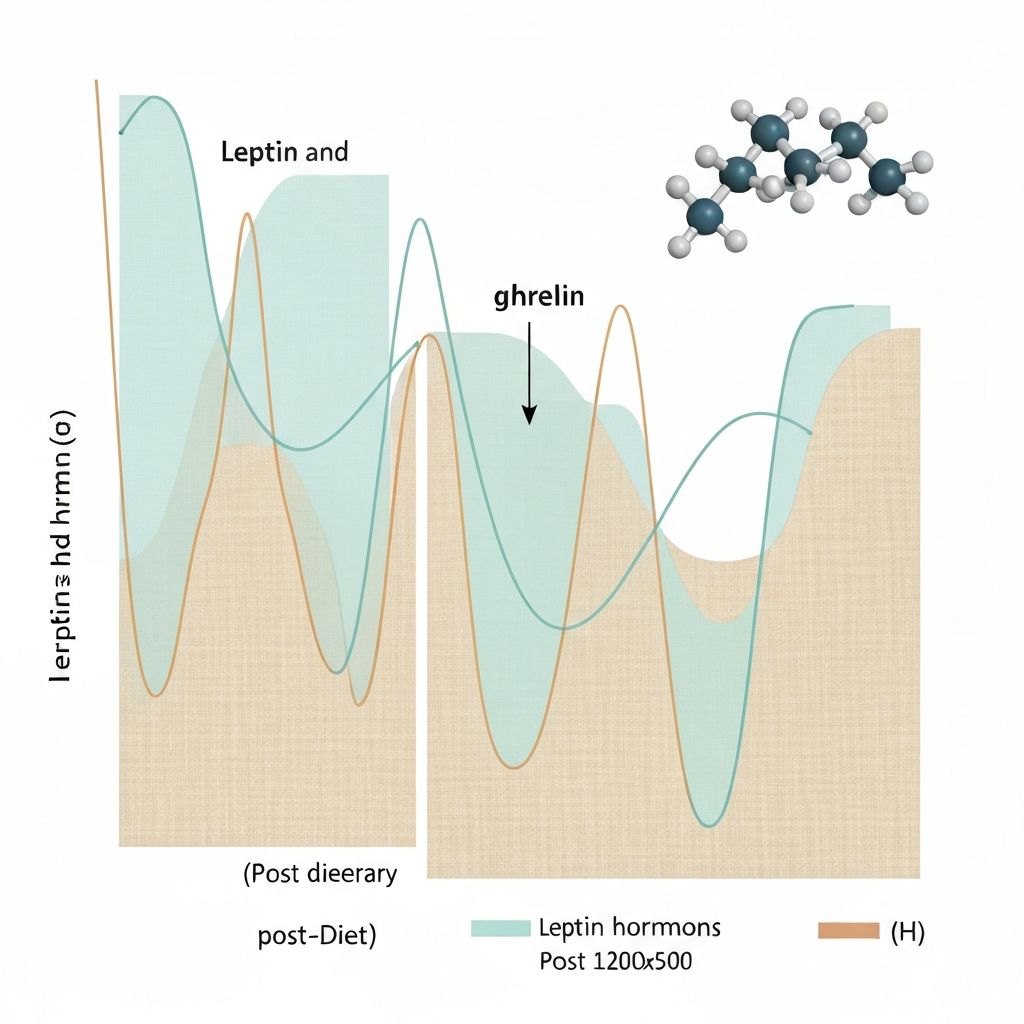
Leptin is produced by adipose tissue in proportion to total body fat mass. This hormone signals energy availability to the hypothalamus, suppressing appetite and promoting satiety when leptin levels are adequate. During energy restriction, as body fat decreases, leptin production declines substantially.
This reduction in circulating leptin represents a potent signal to the brain that energy availability has diminished. The hypothalamus responds to reduced leptin by increasing appetite signalling and promoting energy-seeking behaviours. This adaptation makes biological sense—the body is defending against starvation by increasing drive to consume energy.
Ghrelin: The Hunger Hormone
Ghrelin, produced by the stomach and gut, increases in response to energy deficit. Circulating ghrelin concentrations rise during caloric restriction, and this elevation persists into the post-restriction period. Elevated ghrelin directly stimulates appetite and increases the rewarding properties of food consumption.
The combination of reduced leptin signalling and elevated ghrelin creates a potent physiological drive to increase caloric intake. These hormonal changes persist for extended periods following cessation of energy restriction, contributing to the spontaneous overconsumption and rapid weight regain observed in longitudinal studies.
Insulin and Glucose Regulation
Energy restriction reduces circulating insulin levels as carbohydrate intake decreases and body weight declines. Insulin plays important roles in signalling energy sufficiency and suppressing appetite. The reduction in insulin during restriction contributes to enhanced appetite signalling alongside leptin and ghrelin changes.
Following restriction cessation and as carbohydrate intake increases, insulin levels typically recover toward baseline. However, the relative changes in leptin, ghrelin, and insulin create an imbalanced hormonal milieu that favours increased energy consumption beyond baseline requirements.
Cortisol and Stress Signalling
Severe energy restriction activates stress responses, including elevations in cortisol. This hormone mobilises energy stores and influences appetite regulation, promoting increased intake of calorie-dense foods. Cortisol effects interact with changes in leptin and ghrelin to create synergistic enhancement of appetite and energy-seeking behaviours.
Persistence of Hormonal Dysregulation
A particularly significant finding from longitudinal research is the persistence of abnormal hormone levels in the post-restriction period. Leptin remains suppressed relative to body weight, and ghrelin remains elevated above baseline for many months after restriction cessation.
This hormonal dysregulation contributes substantially to the difficulty many individuals experience in maintaining reduced weight. The physiological drive to consume energy remains elevated despite conscious awareness of prior restriction.
Individual Variability
Research identifies considerable individual variability in the magnitude of hormonal adaptation to energy restriction. Genetic factors influence baseline leptin sensitivity, ghrelin production, and the degree of hormonal dysregulation during and after restriction.
However, whilst the magnitude of response varies, the direction of hormonal change remains remarkably consistent—reduced leptin, elevated ghrelin, and enhanced appetite signalling characterise the universal response to severe energy deficit.
Evolutionary Perspective
From an evolutionary standpoint, these hormonal adaptations represent sophisticated mechanisms that evolved to enhance survival during periods of food scarcity. The vigorous appetite signalling and metabolic adaptations following energy deficit would have promoted rapid restoration of energy stores when food became available, supporting survival during unpredictable food availability.
In modern environments with abundant food, these ancient adaptive mechanisms contribute to rapid weight regain and difficulty maintaining weight loss achieved through energy restriction.