Long-Term Weight Outcomes After Very-Low-Calorie Diets
Synthesis of Longitudinal Research Evidence
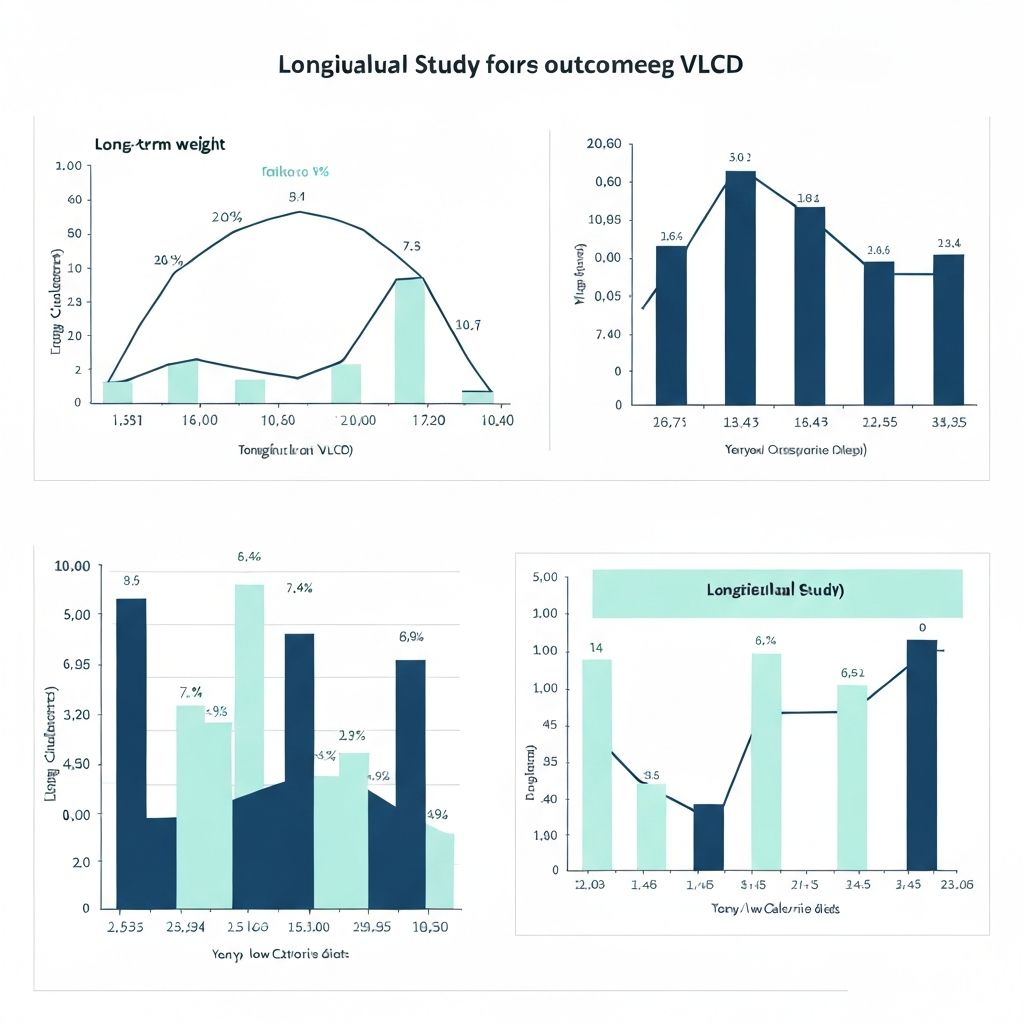
Extensive longitudinal research has documented the long-term outcomes following very-low-calorie diet interventions. Meta-analytical syntheses of these studies provide robust evidence regarding weight regain patterns and recovery trajectories across diverse populations.
Defining Very-Low-Calorie Diets
Very-low-calorie diets (VLCD) are typically defined as providing less than 800 kilocalories daily. These diets represent among the most severe forms of caloric restriction studied in research, producing rapid weight loss and consequent metabolic and behavioural adaptations.
VLCD protocols vary in composition, duration, and support structures. Some involve liquid meal replacements, others employ whole foods, and many incorporate structured support and behavioural counselling. Despite variations in protocol, outcomes regarding weight regain remain remarkably consistent.
Weight Loss During VLCD Phases
During the active VLCD phase, weight loss occurs rapidly and substantially. Individuals typically lose 15-30 kilograms or more during the active intervention phase lasting weeks to months. This rapid weight loss produces marked metabolic and hormonal adaptations as described in previous research articles.
The magnitude of weight loss during the active phase sets the stage for subsequent regain. The more severe the displacement from defended weight range, the more vigorous the compensatory mechanisms that activate during the post-intervention period.
Early Post-Intervention Regain: Months 1-12
Meta-analytical evidence from multiple longitudinal studies demonstrates consistent patterns in the first year following VLCD cessation. Approximately 50-70% of lost weight is regained within 12 months post-intervention.
This regain occurs despite many individuals' efforts to maintain weight loss. The rapid regain during this period reflects the vigorous operation of physiological and behavioural compensation mechanisms described in previous sections.
The timing of regain is particularly consistent. Most regain occurs within the first 3-6 months following intervention cessation, with rate of regain slowing progressively over subsequent months as weight approaches the defended range.
Extended Follow-Up: Years 1-5+
Longer-term follow-up studies examining outcomes at 2, 3, 5, and 10 years post-intervention document continued weight regain beyond the first year. Comprehensive meta-analyses indicate that 80-95% of lost weight is ultimately regained within 5 years.
Several studies with exceptional long-term follow-up (10+ years) demonstrate that many individuals' weight returns substantially toward baseline levels. Some individuals maintain some weight loss indefinitely, but this represents the minority rather than the norm.
Factors Associated with Successful Long-Term Maintenance
Research examining individuals who successfully maintain weight loss identifies several factors associated with sustained outcomes:
- Regular physical activity, particularly resistance exercise preserving fat-free mass
- Ongoing dietary monitoring and awareness
- Consistent eating patterns with minimal dietary restraint
- Social support and structured follow-up
- Lower degree of initial weight loss severity
Variability in Individual Outcomes
Whilst meta-analytical average outcomes show substantial regain, considerable individual variability exists. Approximately 10-20% of participants maintain weight loss for many years. However, these successful individuals represent exceptions rather than typical outcomes.
Factors predicting sustained weight loss maintenance remain incompletely understood. Genetic influences on defended weight, individual differences in appetite regulation, and psychological factors all contribute to variable outcomes.
Comparison with Conventional Diets
Comparative studies examining VLCD outcomes relative to conventional moderate-calorie restriction diets reveal important findings. Whilst VLCD produces more rapid initial weight loss, long-term outcomes (2-5 years) do not differ substantially from conventional diets.
Both approaches result in substantial weight regain, though the regain typically occurs more rapidly following VLCD cessation compared to gradual weight gain post-conventional diet. This suggests that the fundamental mechanisms driving weight regain operate similarly regardless of restriction intensity.
Dose-Response Relationship Between Restriction and Regain
Research documents a dose-response relationship between restriction severity and subsequent regain. Individuals undergoing more severe restriction produce greater magnitude weight loss, but also exhibit more vigorous compensatory responses and more rapid regain.
This relationship supports the homeostatic perspective that weight regain represents the restoration of defended weight homeostasis. Greater displacement from defended weight produces more potent defensive responses.
Weight Cycling and Repeated Dieting
Many individuals experience multiple cycles of VLCD intervention with periods of regain between interventions. Some research suggests that repeated weight cycling may produce cumulative effects on metabolic rate and body composition, though evidence remains debated.
Individuals undergoing repeated weight cycling frequently experience progressive difficulty with weight loss in subsequent attempts, supporting the possibility of metabolic or regulatory changes accumulating across cycles.
Contemporary Understanding of VLCD Outcomes
Contemporary obesity research interprets the consistent pattern of weight regain following VLCD not as intervention failure or individual inadequacy, but as the operation of robust biological regulation mechanisms. The consistency of regain across populations and intervention protocols suggests fundamental physiological principles.
This perspective has important implications, suggesting that sustained weight loss through caloric restriction alone may be fundamentally challenging due to the power of physiological regulatory mechanisms. Alternative approaches that address underlying regulation rather than imposing external dietary constraints may warrant investigation.